Workplace culture is undergoing a significant shift as organizations increasingly recognize that employee performance is closely tied to mental and emotional health. Long hours, constant connectivity, and rising workplace pressures have made stress and burnout common experiences across industries. In response, mental health days are gaining acceptance as a formal workplace policy rather than an informal or stigmatized request. Once viewed as unnecessary time off, mental health days are now being integrated into modern employee benefits frameworks. This evolution reflects a deeper commitment to wellbeing and signals a strategic change in how HR departments approach productivity, retention, and workplace sustainability.
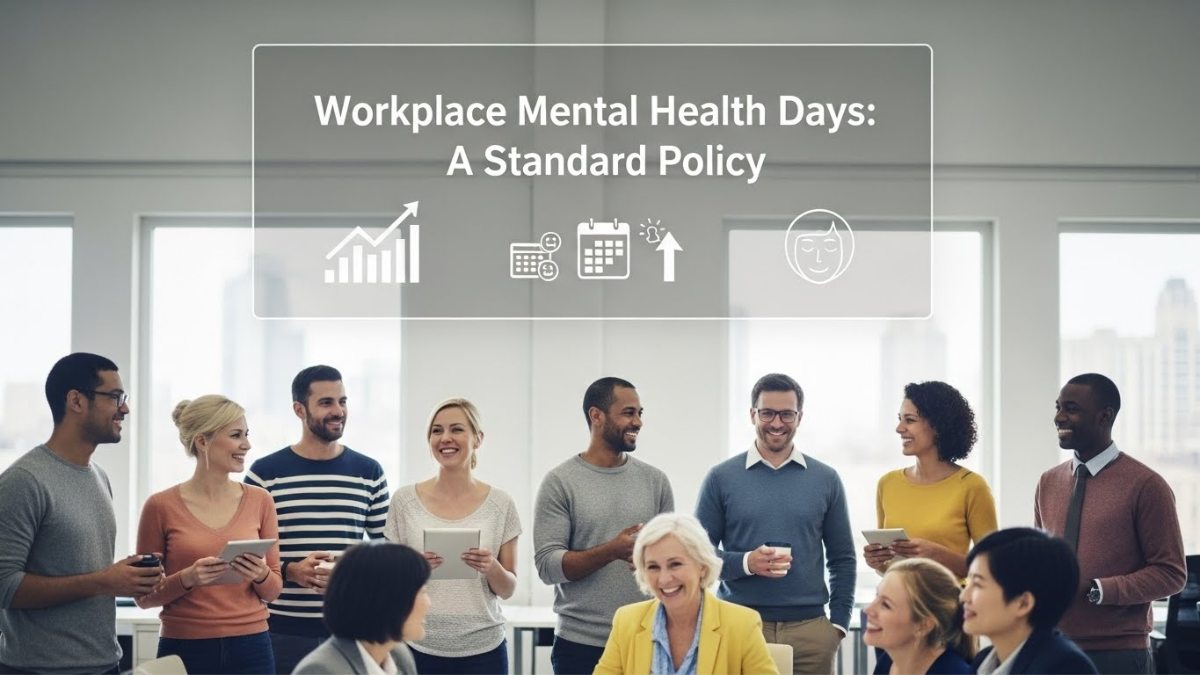
Understanding Mental Health Days in the Workplace
Mental health days are designated leave days that allow employees to step away from work to focus on their psychological and emotional health. Unlike sick leave, which traditionally addresses physical illness, mental health days acknowledge that stress, anxiety, and emotional fatigue can be equally disruptive. By formally recognizing these needs, organizations validate mental wellbeing as a legitimate aspect of health. As part of comprehensive employee benefits, mental health days help normalize conversations around wellbeing and encourage early intervention before issues escalate.
Why Mental Health Days Are Becoming Standard Policy
Several factors are driving the adoption of mental health days as standard workplace policy. Increased awareness of burnout, especially following global disruptions and remote work expansion, has pushed organizations to rethink support systems. Employees now expect workplaces to prioritize wellbeing, not just output. Competitive labor markets also play a role, as progressive employee benefits influence recruitment and retention. From an HR perspective, mental health days reduce absenteeism caused by prolonged stress and support a healthier, more engaged workforce.
The Impact on Employee Wellbeing and Productivity
Providing access to mental health days has a measurable impact on employee wellbeing. Time away from work allows individuals to reset, manage stress, and regain focus. This proactive approach reduces the likelihood of burnout and disengagement. Contrary to concerns about lost productivity, organizations often see improved performance and morale. When employees feel supported through meaningful employee benefits, they are more likely to remain committed and motivated. For HR leaders, mental health days represent an investment in sustainable productivity rather than a cost.
Mental Health Days as a Strategic HR Tool
From a strategic standpoint, mental health days are becoming an essential tool for modern HR management. They signal organizational empathy and strengthen trust between employees and leadership. Incorporating mental health days into policies also helps HR departments align with evolving legal and ethical standards around workplace health. As part of a broader wellbeing strategy, these days complement initiatives such as counseling access, flexible schedules, and wellness programs. Together, these employee benefits create a more resilient and adaptive organizational culture.
Benefits of Offering Mental Health Days
Organizations that implement mental health days experience several advantages, including:
- Improved employee wellbeing and morale
- Reduced burnout and stress-related absenteeism
- Stronger employer branding through modern employee benefits
- Higher retention and engagement rates
- Enhanced trust and communication between staff and HR
These benefits illustrate why mental health days are moving from optional perks to expected workplace standards.
Traditional Leave Policies vs Mental Health Days
| Aspect | Traditional Leave Policies | Mental Health Days |
|---|---|---|
| Focus | Physical illness | Emotional and mental wellbeing |
| Stigma | Often high | Reduced |
| HR flexibility | Limited | High |
| Employee benefits value | Moderate | Strong |
| Impact on productivity | Short-term | Long-term positive |
This comparison shows how mental health days strengthen modern employee benefits strategies.
Challenges in Implementing Mental Health Days
Despite growing acceptance, mental health days present implementation challenges. Some organizations struggle with defining usage guidelines or fear misuse. Cultural resistance can also persist, particularly in high-pressure environments. To address these concerns, HR teams must establish clear policies and promote trust-based management. Education around wellbeing helps normalize responsible use. When supported by leadership and aligned with broader employee benefits, mental health days can be implemented effectively and fairly.
The Future of Workplace Wellbeing Policies
As conversations around mental health continue to evolve, mental health days are likely to become a baseline expectation rather than a differentiator. Future HR policies will increasingly integrate mental health support into core operations. Technology-enabled monitoring of workload and stress may further personalize wellbeing initiatives. By embedding mental health days into long-term strategies, organizations can adapt to changing workforce expectations while maintaining performance and resilience.
Conclusion
The rise of mental health days reflects a fundamental shift in how organizations view employee health and productivity. By recognizing mental wellbeing as essential, companies are redefining employee benefits and strengthening workplace culture. Supported by proactive HR strategies, mental health days reduce burnout, improve morale, and enhance long-term performance. As workplaces continue to evolve, embracing mental health days is not just a compassionate choice but a strategic imperative for sustainable success.
FAQs
What are mental health days?
Mental health days are approved time off that allows employees to focus on emotional and psychological wellbeing.
Why are mental health days becoming common?
They address rising stress levels and are now seen as essential employee benefits supported by modern HR practices.
Do mental health days affect productivity?
When used responsibly, mental health days often improve productivity by preventing burnout and disengagement.
How do HR teams manage mental health days?
HR teams create clear policies and integrate mental health days into broader wellbeing strategies.
Are mental health days legally required?
Laws vary, but many organizations adopt mental health days voluntarily as part of progressive employee benefits.
Click here to know more.