Cities around the world are experiencing rising heat at unprecedented levels. The phenomenon of urban heat islands is reshaping daily life, health, infrastructure, and the overall livability of urban environments. As concrete, asphalt, and glass replace vegetation, city surfaces trap heat and raise local temperatures far above surrounding rural areas. This growing challenge forces governments, urban planners, and communities to rethink development strategies through innovative city planning and long-term climate adaptation measures.
The impact of urban heat islands extends far beyond discomfort. Higher temperatures intensify energy consumption, increase health risks, and strain transportation systems. Heat waves become more dangerous in dense urban zones, disproportionately affecting vulnerable populations such as the elderly, children, and low-income residents. As climate change accelerates, urban heat islands amplify its effects, making effective climate adaptation and resilient city planning essential for sustainable urban futures.
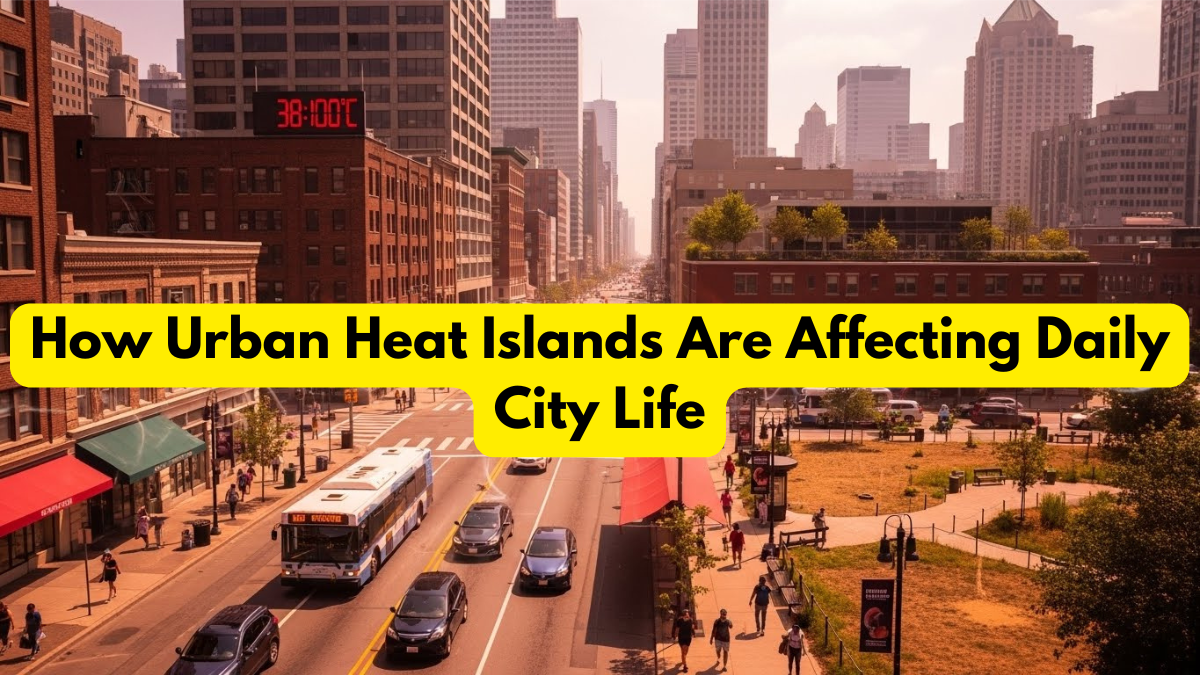
The Science Behind Urban Heat Islands
Urban heat islands form when natural land cover is replaced by heat-absorbing materials. Dark surfaces such as roads and rooftops store solar energy during the day and release it slowly at night, preventing cities from cooling. Lack of vegetation reduces evaporative cooling, while vehicle emissions and industrial activity add to rising temperatures.
These factors combine to create microclimates where nighttime temperatures remain significantly higher than nearby rural zones. The result is prolonged heat exposure that stresses human health and urban ecosystems. Understanding this process is vital for developing effective climate adaptation strategies and guiding responsible city planning.
Health, Energy, and Social Impacts
The health consequences of urban heat islands are severe. Elevated temperatures increase cases of heat exhaustion, respiratory illness, and cardiovascular complications. Hospitals experience surges in admissions during heat waves, while outdoor workers face dangerous conditions.
Energy demand also skyrockets as air conditioning usage increases. Power grids strain under peak loads, raising the risk of blackouts. These pressures expose social inequalities, as low-income neighborhoods often lack adequate cooling and green spaces. Addressing these challenges requires integrated city planning and equitable climate adaptation policies.
Comparison of Heat Conditions: Urban vs Rural Areas
| Factor | Urban Areas | Rural Areas |
|---|---|---|
| Average temperatures | High | Moderate |
| Presence of vegetation | Low | High |
| Heat retention | Strong | Low |
| Energy consumption | High | Lower |
| Exposure to urban heat islands | Severe | Minimal |
| Need for climate adaptation | Critical | Moderate |
This comparison illustrates why cities must urgently implement heat mitigation through strategic city planning.
Solutions Through Climate Adaptation and City Planning
Modern climate adaptation strategies focus on reducing heat absorption and increasing cooling capacity. Green roofs, urban forests, reflective building materials, and water features lower temperatures and improve air quality. Urban planners integrate shaded walkways, cooling corridors, and heat-resistant infrastructure into new developments.
Effective city planning also involves zoning regulations, sustainable building codes, and public awareness campaigns. These measures reduce vulnerability to urban heat islands and strengthen community resilience. Long-term investment in climate-smart design transforms cities into healthier, more livable environments.
The Future of Cities in a Warming World
As global temperatures continue rising, cities must evolve rapidly. Urban heat islands will intensify without decisive action. Governments, private developers, and citizens share responsibility for implementing climate adaptation and innovative city planning solutions.
Technological advances, data-driven urban design, and community engagement offer hope. With proactive strategies, cities can reduce heat risks, protect public health, and maintain economic productivity despite a warming climate.
Conclusion
The growing impact of urban heat islands represents one of the most urgent challenges facing modern cities. Rising temperatures threaten health, infrastructure, and social stability. Through strategic city planning and robust climate adaptation, urban communities can mitigate heat risks and build resilient, sustainable futures. The choices made today will determine how cities endure tomorrow’s climate realities.
FAQs
What causes urban heat islands?
Urban heat islands are caused by heat-absorbing surfaces, limited vegetation, and human activity that increase local temperatures.
How do urban heat islands affect health?
Higher temperatures increase heat-related illnesses and place severe stress on vulnerable populations.
Can city planning reduce urban heat islands?
Yes. Smart city planning using green spaces, reflective materials, and cooling infrastructure significantly reduces heat impact.
Why is climate adaptation important for cities?
Climate adaptation prepares cities to manage rising temperatures and protect communities from the effects of urban heat islands.
Click here to know more.