Personalized nutrition is rapidly transforming how individuals approach food, health, and long-term well-being. For decades, popular diet trends have promised universal results, often ignoring individual differences in genetics, metabolism, and lifestyle. As scientific understanding deepens, personalized nutrition is emerging as a more credible and sustainable alternative to one-size-fits-all eating plans. This shift reflects growing demand for evidence-based approaches that support lasting health optimization rather than short-term weight loss.
Unlike traditional diet fads that cycle in and out of popularity, personalized nutrition is grounded in data, research, and individual assessment. Advances in nutritional science, biotechnology, and digital health tools have made it possible to tailor dietary guidance to the individual. As a result, personalized nutrition is increasingly viewed not as a trend, but as a foundational component of modern wellness strategies.
DNA diets and the science of individual differences
One of the most influential drivers of personalized nutrition is the rise of DNA diets, which use genetic testing to inform dietary recommendations. These DNA diets analyze genetic markers related to nutrient metabolism, food sensitivities, and disease risk. By understanding how an individual’s body processes fats, carbohydrates, and micronutrients, nutrition plans can be customized for greater effectiveness.
While DNA diets are not deterministic, they provide valuable insights that refine dietary choices. For example, genetic variations may influence how someone responds to caffeine, sodium, or certain fats. When combined with lifestyle and health data, DNA diets strengthen personalized nutrition by aligning food choices with biological needs. This scientific grounding distinguishes personalized nutrition from generic diet advice and enhances its credibility within the wellness community.
Health optimization through tailored nutrition strategies
A key reason personalized nutrition is gaining traction is its focus on health optimization rather than restriction. Instead of labeling foods as universally good or bad, personalized nutrition considers context, balance, and individual response. This approach supports metabolic health, energy levels, immune function, and long-term disease prevention.
Through ongoing monitoring and feedback, personalized nutrition allows individuals to adjust their diets as their health goals evolve. This dynamic process supports continuous health optimization, making nutrition an adaptive tool rather than a rigid rule set. By emphasizing nourishment over deprivation, personalized nutrition aligns more closely with sustainable wellness practices.
Wellness culture and the decline of diet fads
The broader wellness movement has also contributed to the decline of traditional diet fads and the rise of personalized nutrition. Consumers are becoming more skeptical of extreme or restrictive diets that promise rapid results but often fail to deliver lasting benefits. Instead, there is growing interest in approaches that support mental, emotional, and physical well-being simultaneously.
Personalized nutrition fits seamlessly into this evolving wellness culture. By respecting individual differences and promoting balance, it reduces the guilt and frustration often associated with dieting. The integration of DNA diets and personalized feedback empowers individuals to make informed choices, reinforcing trust in the process and encouraging long-term adherence.
Key factors driving the shift toward personalized nutrition include:
- Scientific insights from DNA diets
- Focus on long-term health optimization
- Alignment with holistic wellness values
- Reduced reliance on restrictive eating patterns
- Data-driven personalization and adaptability
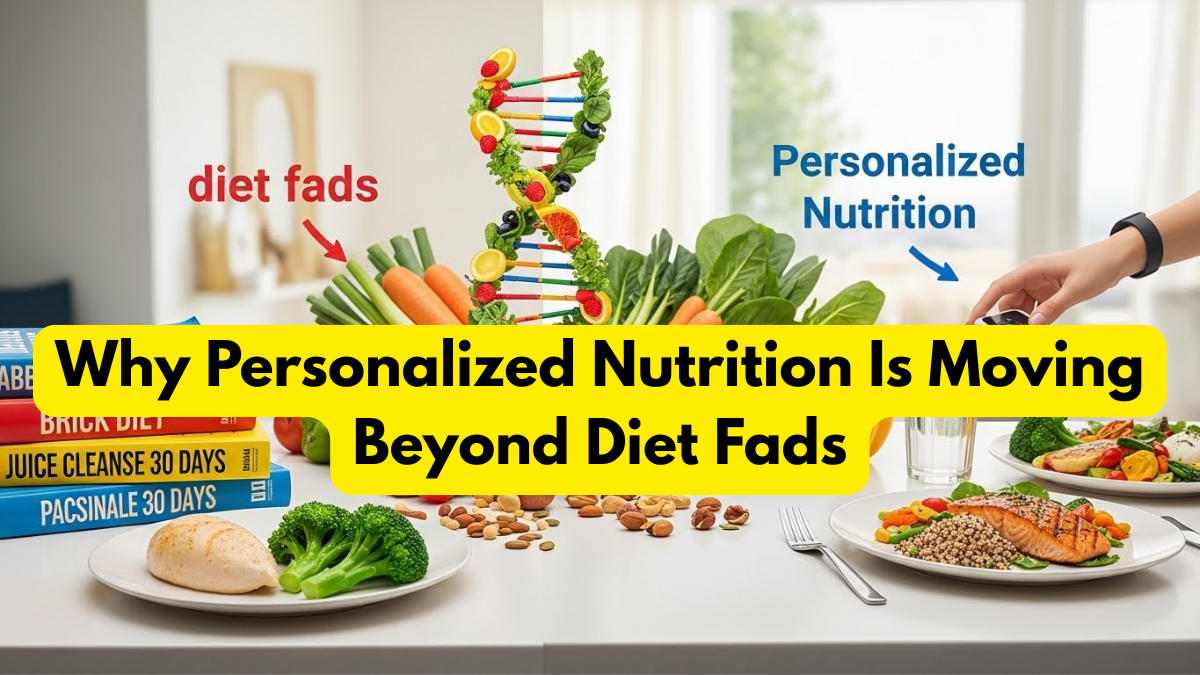
The table below compares traditional diet fads with personalized nutrition approaches:
| Aspect | Diet Fads | Personalized Nutrition |
|---|---|---|
| Approach | One-size-fits-all | Individualized |
| Scientific basis | Often limited | Strong, data-driven |
| DNA consideration | None | Integrated via DNA diets |
| Health optimization | Short-term focus | Long-term focus |
| Wellness alignment | Inconsistent | Central priority |
Technology and data enabling personalized nutrition
Technology plays a critical role in scaling personalized nutrition beyond clinical settings. Wearable devices, health apps, and digital food tracking platforms provide real-time data on activity, sleep, glucose levels, and dietary intake. This data enhances health optimization by allowing nutrition plans to adapt based on actual outcomes rather than assumptions.
Artificial intelligence further refines personalized nutrition by identifying patterns and correlations within large datasets. When combined with insights from DNA diets, technology-driven platforms deliver increasingly precise recommendations. This convergence of data and nutrition science supports a more proactive and personalized wellness experience, moving far beyond the limitations of traditional diet trends.
Accessibility, challenges, and future outlook
Despite its promise, personalized nutrition still faces challenges related to accessibility, cost, and interpretation of data. Genetic testing and advanced analytics may not yet be available to all populations, raising concerns about equity. Additionally, translating complex data into practical daily food choices requires professional guidance to avoid confusion or misuse.
However, as technology becomes more affordable and research continues to evolve, personalized nutrition is expected to become more widely accessible. Educational efforts and regulatory standards will play a key role in ensuring responsible use of DNA diets and nutrition data. Over time, these developments will strengthen trust and expand the reach of personalized nutrition within mainstream wellness practices.
Conclusion
In conclusion, personalized nutrition is moving beyond diet fads because it offers a science-based, adaptable, and sustainable approach to eating. By leveraging DNA diets, prioritizing health optimization, and aligning with modern wellness values, personalized nutrition addresses the limitations of traditional dieting. As technology and research continue to advance, personalized nutrition is poised to become a central pillar of long-term health and well-being rather than a passing trend.
FAQs
What is personalized nutrition?
Personalized nutrition tailors dietary recommendations to an individual’s genetics, lifestyle, and health goals.
How do DNA diets support personalized nutrition?
DNA diets provide genetic insights that help customize food choices and nutrient intake.
Is personalized nutrition better than traditional diets?
It often supports better health optimization by accounting for individual differences rather than generic rules.
Does personalized nutrition support wellness beyond weight loss?
Yes, it contributes to overall wellness, including energy, metabolic health, and disease prevention.
Will personalized nutrition replace diet fads?
As evidence and accessibility grow, personalized nutrition is likely to reduce reliance on short-term diet trends.
Click here to know more.