In recent years, the genetic research benefits emerging from advancements in biotechnology and DNA analysis have transformed the medical world. Genetic research now provides doctors with crucial insights into a person’s inherited traits, biological risks, and potential health challenges. By examining an individual’s DNA, medical professionals can identify patterns that indicate susceptibility to various illnesses long before symptoms appear. This remarkable progress has made disease prediction one of the most powerful applications of genetic science. As research continues to expand, genetic insights are reshaping preventive healthcare, early diagnosis, and personalized treatment plans.
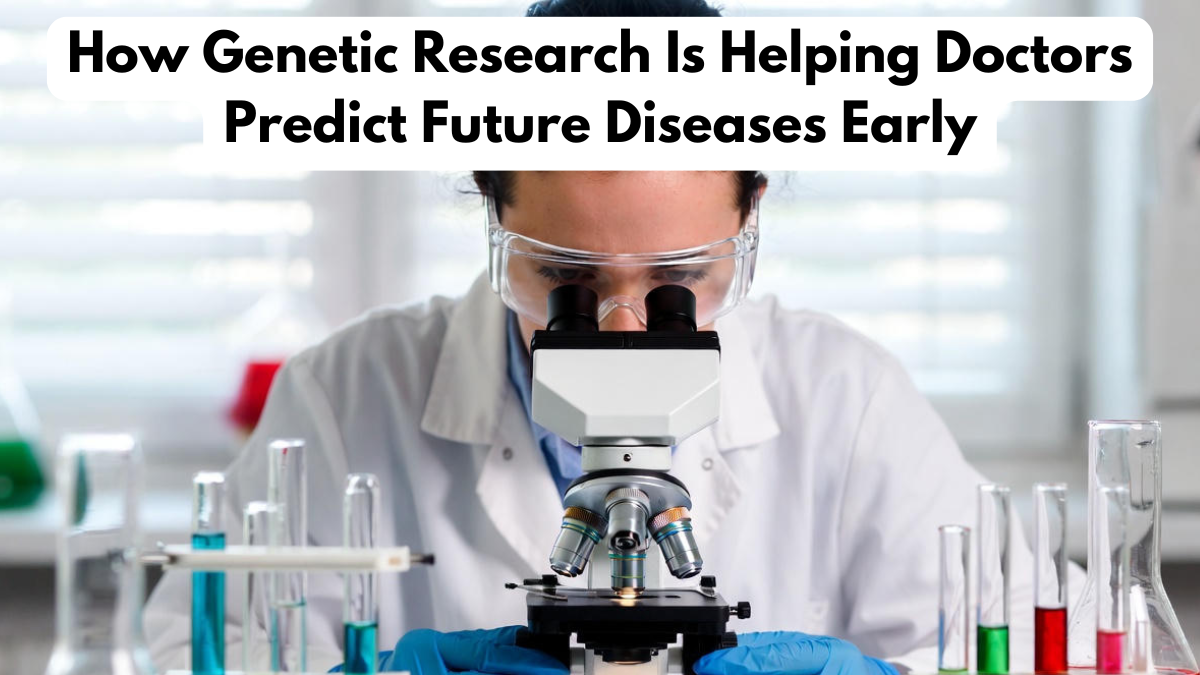
Why Genetic Research Is Revolutionizing Modern Medicine
The growing importance of genetic research benefits lies in its ability to uncover hidden biological information that traditional medical tests cannot detect. Each person carries specific genetic markers that influence their likelihood of developing conditions such as diabetes, heart disease, cancer, and neurological disorders. By studying these markers, scientists can better understand how diseases develop and how to prevent them.
This capability greatly enhances disease prediction, enabling doctors to identify risks decades before symptoms emerge. Early detection gives patients valuable time to adopt healthier lifestyles, take preventive medications, or undergo regular screenings. Genetic research thus shifts healthcare from a reactive model—treating illness after it appears—to a proactive one focused on prevention and long-term wellness.
How Genetic Testing Works and What It Reveals
Genetic testing involves analyzing a person’s DNA, often through saliva or blood samples. This analysis identifies mutations or variations linked to specific medical conditions. The genetic research benefits derived from this process include understanding inherited traits, drug responses, and potential risk levels for certain diseases.
Below is a table summarizing different types of genetic tests and their roles in disease prediction:
| Type of Genetic Test | Purpose | Key Contribution to Disease Prediction |
|---|---|---|
| Predictive Testing | Identifies risk of future disease | Helps forecast conditions like cancer or Alzheimer’s |
| Carrier Testing | Detects genes for inherited disorders | Guides family planning decisions |
| Pharmacogenetic Testing | Analyzes drug response | Helps personalize medication |
| Diagnostic Testing | Confirms suspected conditions | Improves early detection and treatment |
These testing methods demonstrate how deeply genetic research benefits influence modern medical practices and prevention strategies.
The Role of Genetic Research in Predicting Chronic and Hereditary Diseases
Chronic illnesses often develop slowly over many years, making early intervention critical. Through genetic research benefits, doctors can identify individuals who have a higher genetic predisposition to diseases such as heart disease, high blood pressure, and certain cancers. For example, mutations in BRCA1 and BRCA2 genes significantly increase the risk of breast and ovarian cancer. Knowing this risk early allows patients to take preventive steps.
Disease prediction also plays a key role in understanding hereditary conditions like cystic fibrosis, Huntington’s disease, and hemophilia. Families with a history of genetic disorders can use genetic testing to assess risks for future generations. This information helps individuals make informed decisions about health management, lifestyle changes, and family planning.
How Genetic Research Supports Personalized Medicine
One of the most transformative genetic research benefits is its contribution to personalized medicine. Instead of using general treatment plans, doctors can tailor treatments based on a patient’s unique genetic profile. This personalized approach enhances effectiveness and reduces the risk of adverse reactions. Through disease prediction, physicians can recommend targeted therapies that address the root cause of a condition rather than simply treating symptoms.
Pharmacogenetics is a major component of personalized medicine. By understanding how a patient’s genes affect their reaction to medication, doctors can prescribe drugs that work best for that individual. This reduces the trial-and-error process often associated with finding the right medication, making healthcare more precise and efficient.
How Genetic Research Promotes Preventive Healthcare
Preventive healthcare is rapidly evolving thanks to genetic research benefits. When individuals understand their genetic risks, they become more proactive about managing their health. Lifestyle changes such as improved diet, increased physical activity, regular screenings, and stress management can significantly reduce disease risk. Genetic counselors play a crucial role in educating patients about these risks and guiding them through prevention strategies.
Governments and healthcare organizations are also integrating disease prediction into public health programs. By identifying at-risk populations, they can allocate resources more effectively and design targeted awareness campaigns. This shift toward prevention not only improves patient outcomes but also reduces medical costs associated with late-stage disease treatments.
Ethical Considerations and Challenges in Genetic Research
While the genetic research benefits are extensive, they also come with ethical challenges. Privacy concerns arise because genetic data is highly sensitive, and misuse could lead to discrimination in employment, insurance, or social contexts. Ensuring that genetic information remains confidential is essential for maintaining trust between patients and healthcare providers.
Another challenge involves the psychological impact of disease prediction. Learning about potential future illnesses may cause anxiety or fear, even if preventive measures are available. Genetic counselors must therefore guide patients with compassion, ensuring they understand risks without feeling overwhelmed.
Additionally, access to genetic testing remains unequal in many parts of the world. Bridging this gap is crucial to ensuring that all individuals benefit from advancements in genetic science.
The Future of Genetic Research and Disease Prediction
The future of medicine will be deeply influenced by ongoing genetic research benefits. Emerging technologies such as CRISPR gene editing, advanced DNA sequencing, and AI-based genetic analysis promise to enhance accuracy and expand the possibilities of healthcare. These innovations may one day allow scientists to not only predict diseases but also correct harmful genetic mutations before they cause illness.
As research progresses, disease prediction will become even more precise, supporting global efforts to reduce chronic illness rates and improve public health. Genetic data may soon guide everything from nutrition plans to mental health strategies, making healthcare more personalized than ever before.
Conclusion
The growing genetic research benefits demonstrate how transformative genetic science has become in shaping the future of healthcare. Through early disease prediction, doctors can identify risks long before symptoms appear, allowing individuals to take control of their health and prevent serious conditions. Genetic research supports personalized medicine, empowers preventive care, and offers new hope for managing hereditary diseases. As technology advances, the role of genetic research will only continue to expand, promising a healthier and more informed future for people around the world.
FAQs
How do genetic research benefits help doctors understand diseases?
They reveal genetic variations that indicate disease risks and guide early prevention strategies.
What is the role of disease prediction in healthcare?
It helps identify future health risks, allowing patients to take preventive actions early.
Is genetic testing safe and accurate?
Yes, modern genetic testing is highly accurate and conducted using safe, noninvasive methods.
Can genetic research improve treatment effectiveness?
Absolutely. It supports personalized medicine, ensuring treatments match a patient’s genetic makeup.
Are there ethical concerns with genetic research benefits?
Yes, privacy, emotional impact, and unequal access are major considerations that must be addressed responsibly.
Click here to know more.