Around the world, the aging population is becoming one of the most influential demographic shifts shaping modern societies. Advances in healthcare, improved living standards, and better nutrition have significantly increased longevity, allowing people to live longer than previous generations. While this is a positive achievement for humanity, it also brings complex economic, social, and healthcare challenges. As populations age, the demand for senior care rises dramatically, and governments must rethink how they manage resources, employment structures, and social support systems. The growing aging population is therefore not just a demographic reality but a powerful force reshaping the future of global development.
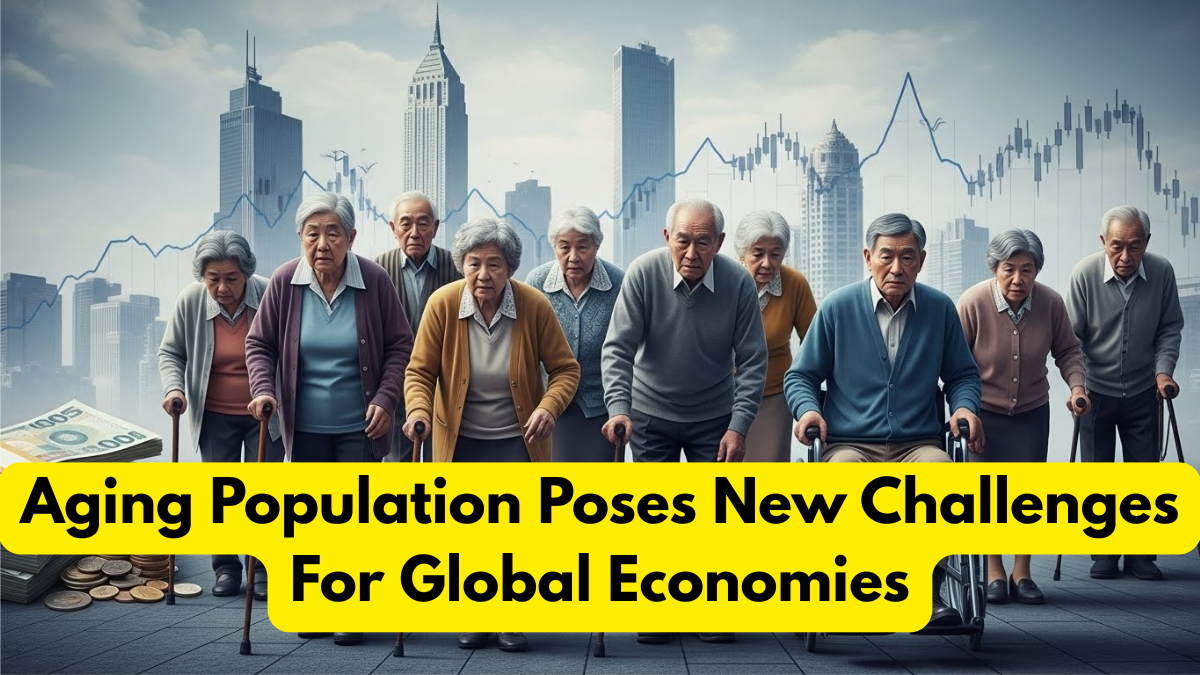
Why the Aging Population Is Increasing So Rapidly
The continuous rise in the aging population is mainly due to two key factors: increased longevity and declining birth rates. Medical advancements have significantly reduced death rates and allowed people to live healthier for longer periods. Meanwhile, many nations today experience fewer births, meaning younger generations are shrinking while the elderly population continues growing. This demographic imbalance leads to a society where the number of older citizens surpasses younger working-age individuals.
With longer life expectancy comes a meaningful change in social structure. More people now require senior care, emotional support, and long-term medical services. Countries across Asia, Europe, and North America face urgent challenges as they adapt to this rapid demographic shift. The aging population demands new strategies in healthcare, pensions, employment policy, and social planning to ensure balanced development.
Economic Impact of Aging Population on Nations
The growing aging population has a strong effect on global economies. As more people retire, the working population shrinks, reducing overall productivity and tax contributions. Governments face increased financial pressure to fund pensions, healthcare services, and social support programs because a larger percentage of national budgets must now be dedicated to senior care and elderly assistance. This financial burden can slow economic growth and create budget deficits if not managed effectively.
Businesses are also affected. Industries dependent on younger workers face labor shortages, and companies must invest more in automation or rehiring retirees to maintain productivity. Changing longevity patterns also influence consumer behavior, leading to increased demand for healthcare products, wellness services, and retirement-focused industries. The following table highlights some major areas affected by the rising aging population:
| Area Affected | Impact |
|---|---|
| Workforce | Reduced labor availability |
| Economy | Higher spending on senior care |
| Healthcare | Increased medical demand |
| Longevity Influence | Longer life but higher support needs |
| Government Budgets | Financial pressure due to aging population |
This table clearly shows how longevity, healthcare needs, and senior care responsibilities shape economic planning in a world with a rapidly expanding aging population.
Social and Healthcare Challenges Associated With Aging
Beyond economics, the aging population brings strong social challenges. Families must balance careers and responsibilities while caring for elderly loved ones. Emotional stress, financial strain, and caregiving responsibilities significantly influence daily life. As longevity increases, more people suffer from age-related health conditions such as mobility problems, memory issues, and chronic illness. This increases the need for quality senior care, trained medical staff, nursing homes, and home assistance services.
Healthcare systems must adapt to handle the demand. Hospitals and clinics require more geriatric specialists, advanced equipment, and long-term care programs. Countries lacking sufficient infrastructure struggle to provide adequate services to their expanding elderly population. Without strong preparation, the aging population may overwhelm healthcare systems, affecting overall quality of medical support for society.
Preparing For The Future Of An Aging World
To successfully manage the aging population, governments and communities must take strategic action. Investment in healthcare infrastructure, improved senior care systems, and financial planning policies are essential. Encouraging active lifestyles, preventive healthcare, and emotional well-being programs can also improve the quality of life for older citizens. At the same time, nations must adapt employment systems to accommodate senior workers who wish to remain active in the workforce.
Innovation also plays an important role. Technology, smart medical devices, assisted living tools, and digital health monitoring help support independence and safety among the elderly. Society must also foster respect, compassion, and inclusion so the aging population feels valued rather than burdened. With stronger planning and compassion, rising longevity can become a positive strength rather than a challenge.
Conclusion
The expanding aging population is reshaping the economic, social, and healthcare foundation of countries worldwide. With greater longevity, more people now live longer lives, but they require stronger senior care, financial support, and emotional security. While the challenges are significant, thoughtful planning, innovation, and compassionate policy can turn this demographic shift into an opportunity for healthier, more inclusive societies. Recognizing the needs of the aging population today will ensure stability, dignity, and sustainable growth for future generations.
FAQs
Why is the aging population increasing worldwide?
The aging population is increasing due to longer life expectancy, improved healthcare, and declining birth rates.
How does longevity affect society?
longevity affects society by increasing the number of elderly citizens who require healthcare, financial support, and long-term senior care.
Why is senior care becoming more important today?
senior care is becoming more important because more elderly people need medical assistance, emotional support, and daily living help.
What challenges does the aging population create for economies?
The aging population creates economic challenges such as reduced workforce numbers, higher healthcare spending, and greater pressure on government budgets.
Click here to know more.